Description
TOTAL SANITISATION
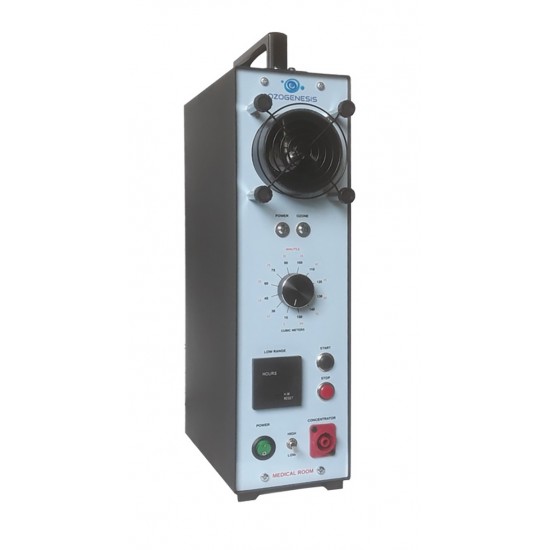
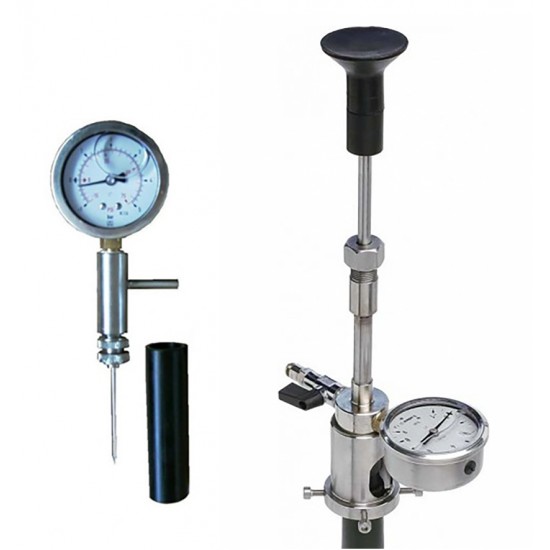
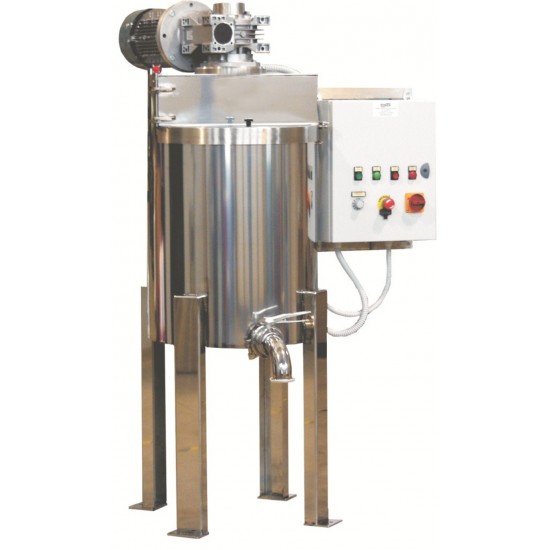
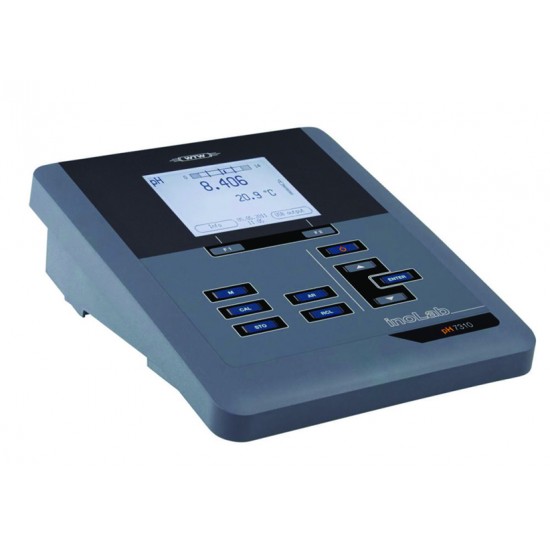
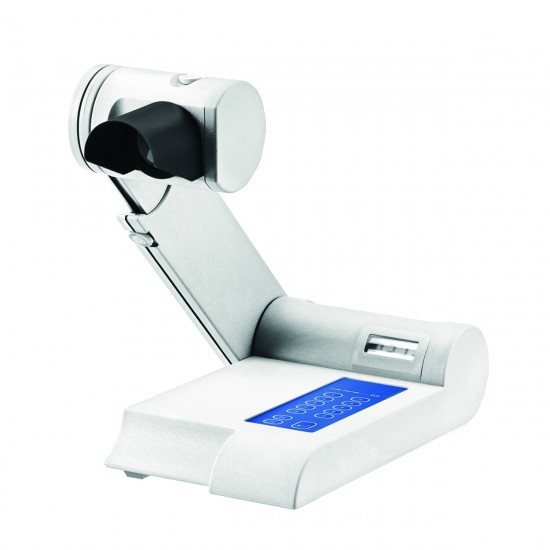
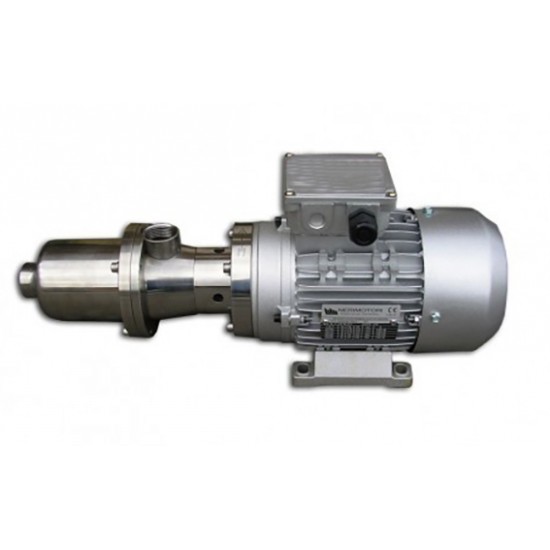
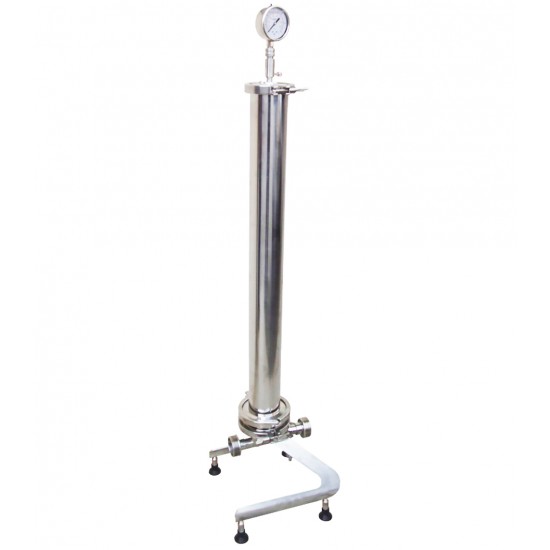
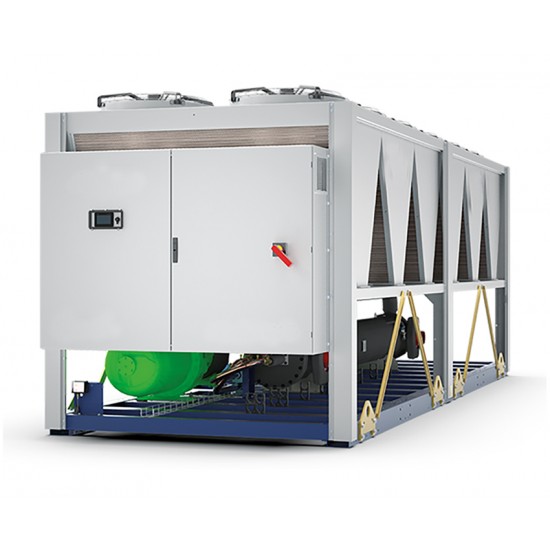
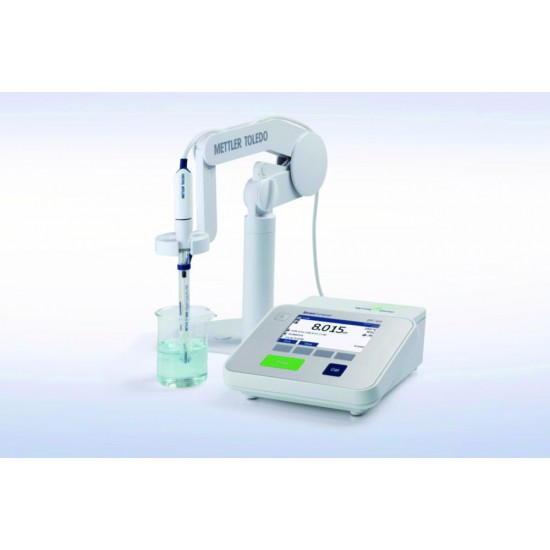
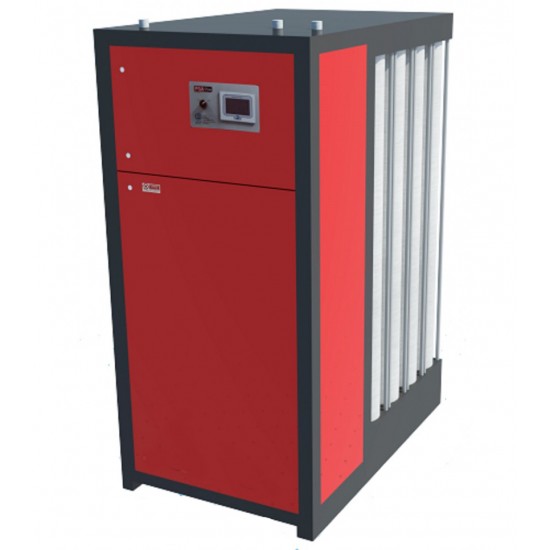
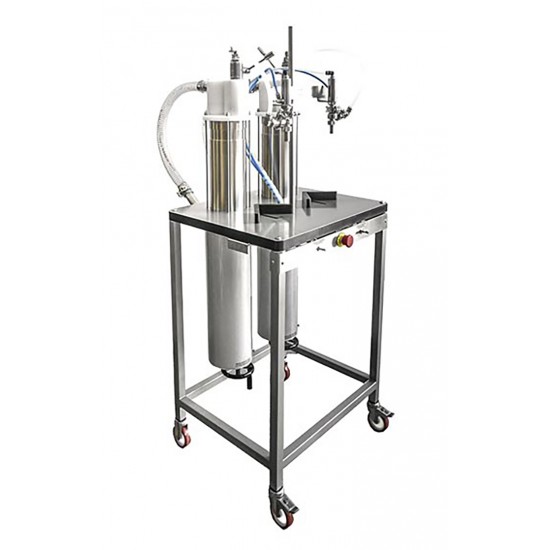
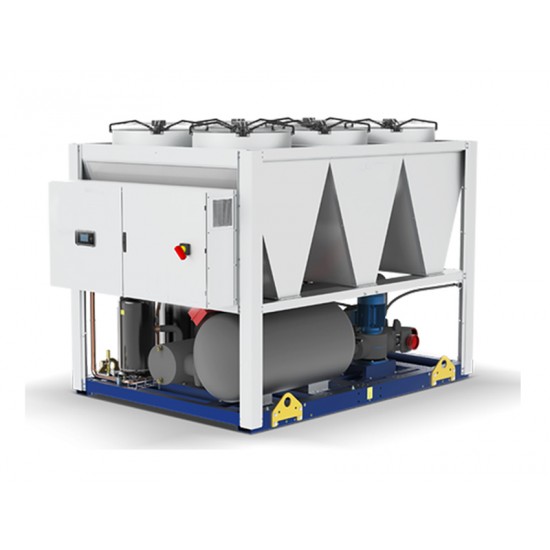
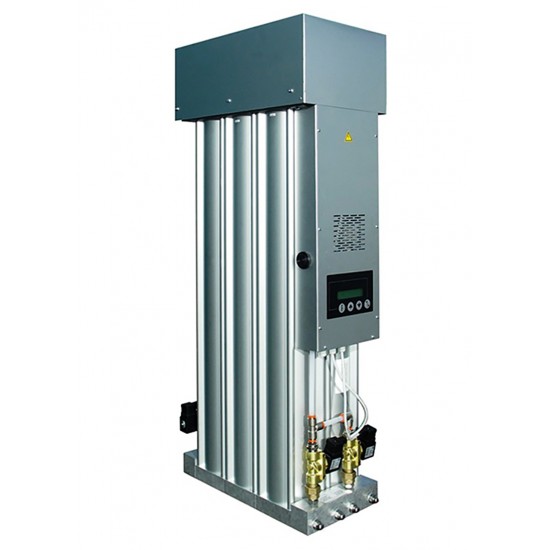
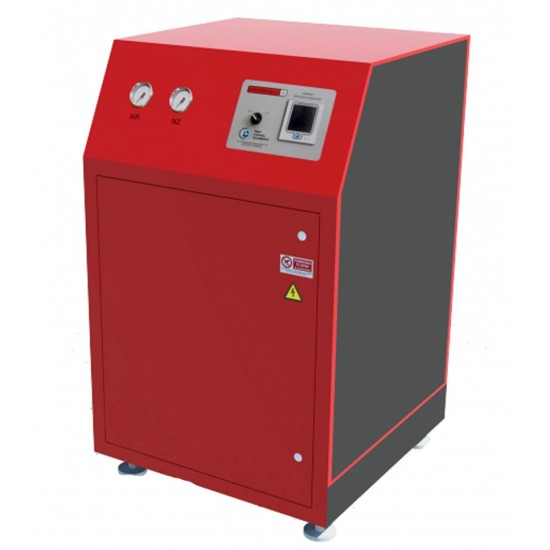
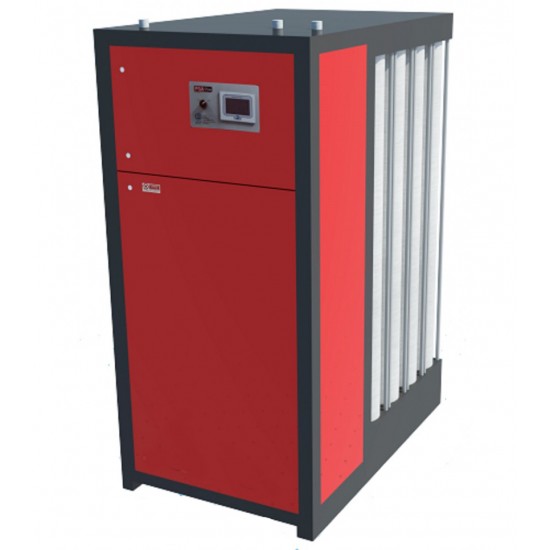
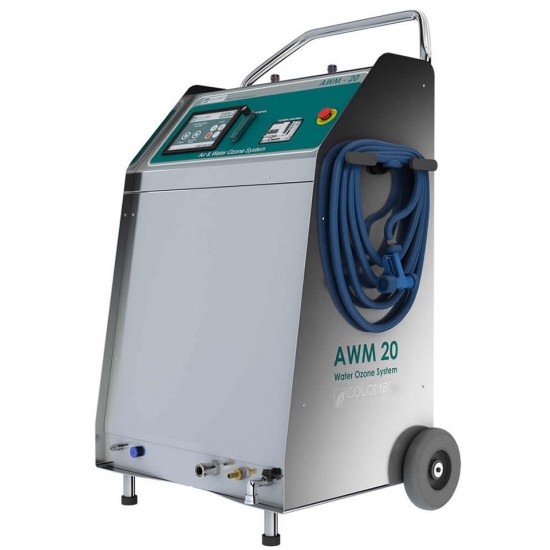
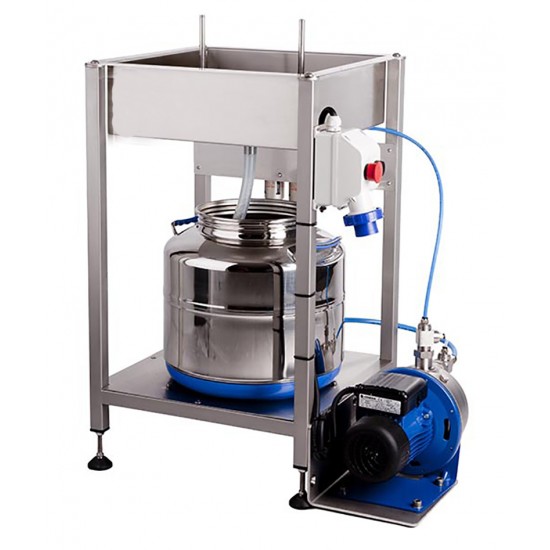
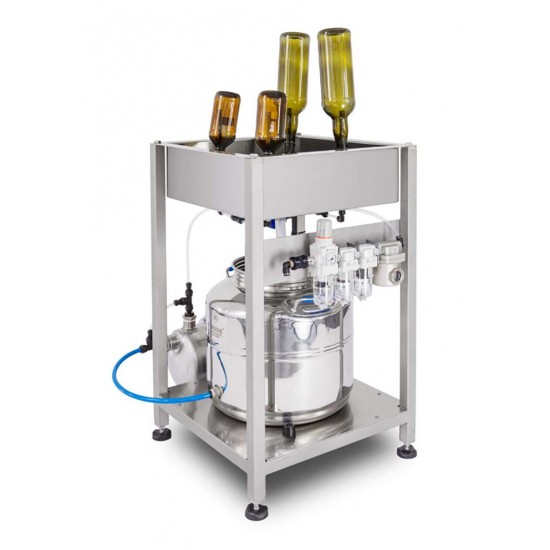
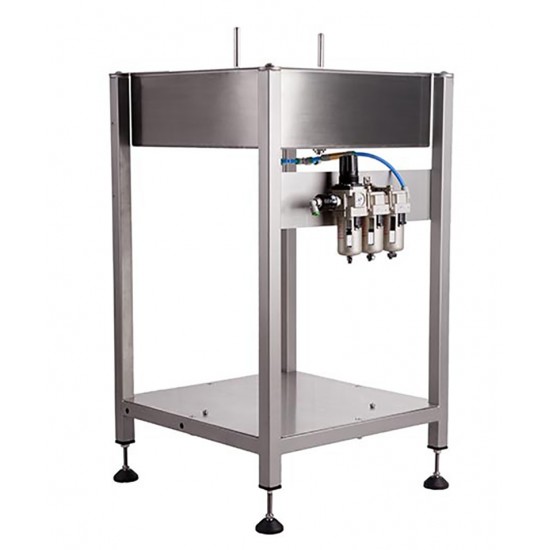
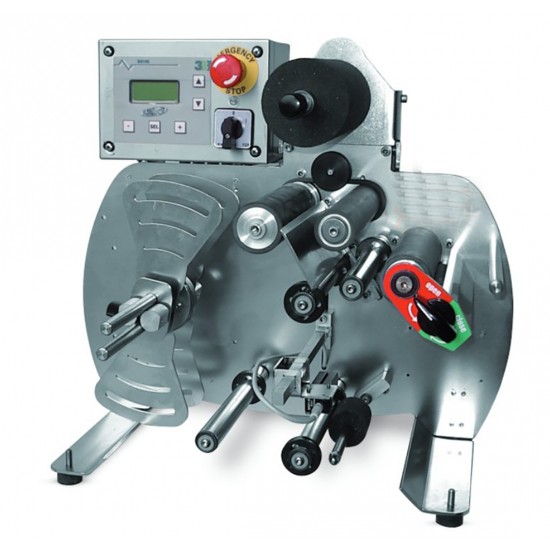
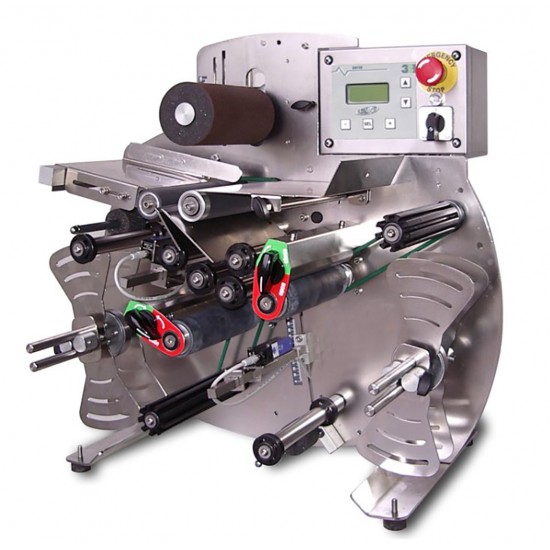
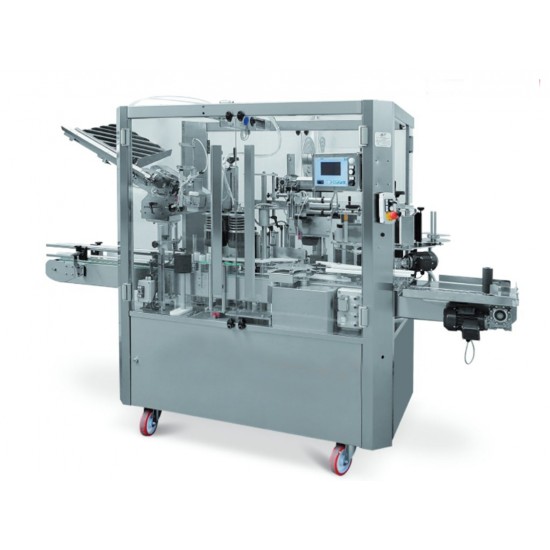
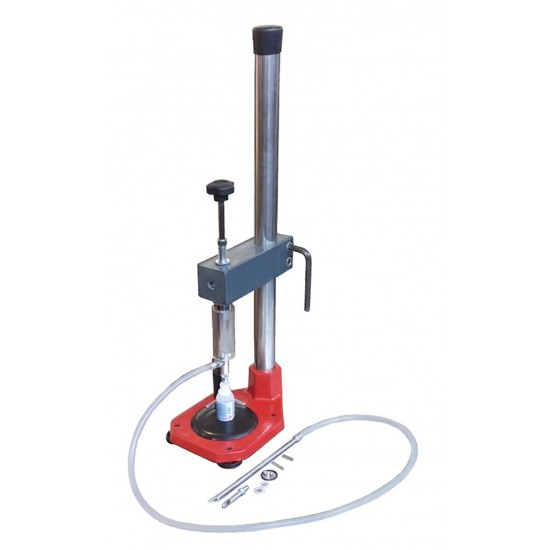
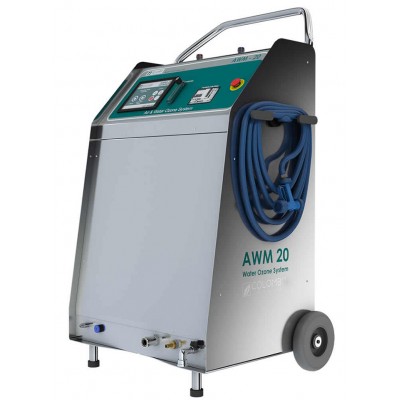
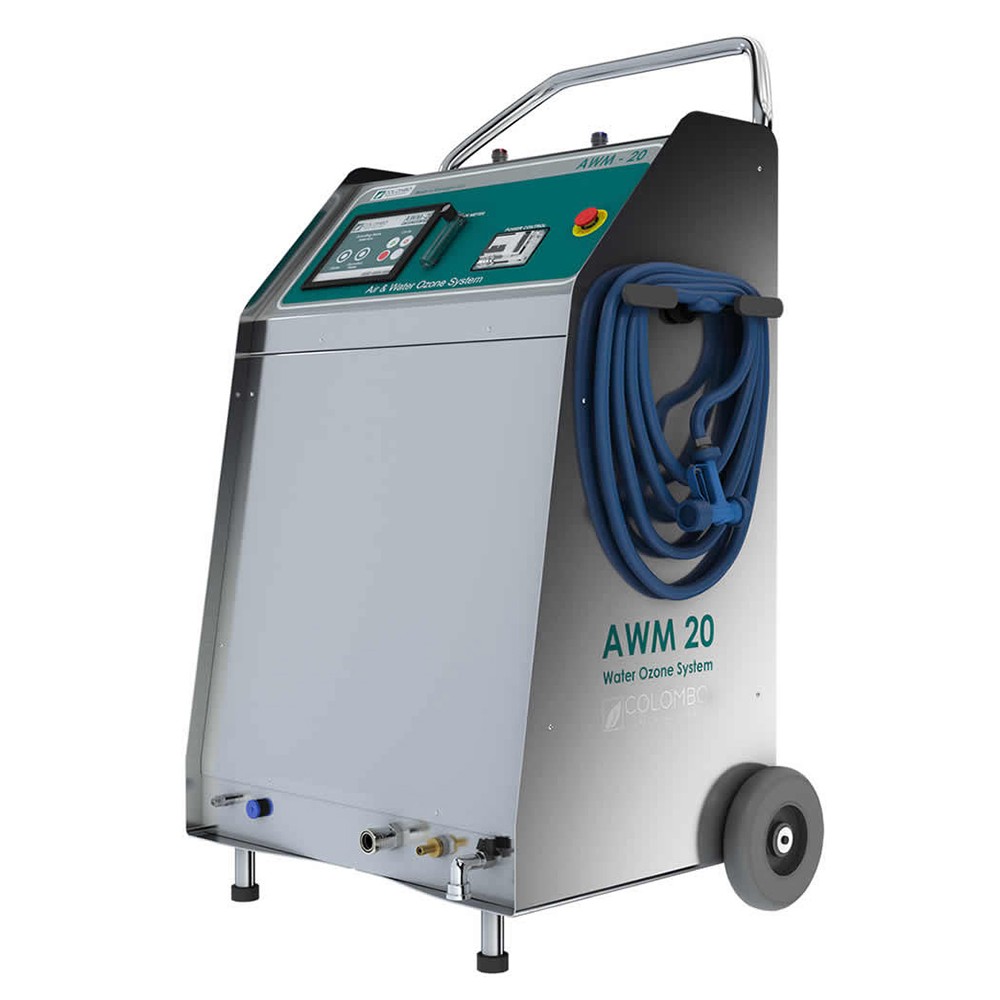
Professional system for professionals in the agro-food and industrial sectors who wish to perfectly sanitise processing surfaces without using aggressive chemicals. Built entirely in Italy, it combines in a single system a pure oxygen generator capable of feeding a 20 g/h ozone generator and a high pressure ozonated water system. It also has a special detection sensor to monitor, control and maintain the desired degree of ozone saturation in the environment.
Applications in the food sector: regulatory framework and applications. Ozone treatment was also considered by EFSA (2011) in the context of an opinion on the decontamination of chicken carcasses potentially contaminated with Campylobacter (EFSA, 2011). The opinion did not highlight any specific issues with ozone; in general and in agreement with other opinions, EFSA emphasised that decontamination treatments should be considered as complementary to, and not a substitute for, good hygiene practices in slaughtering. The CNSA, referring to the Ministry of Health's protocol No. 24482 of 31 July 1996, expressed a favourable opinion on the ozonation of curing chambers and/or storage rooms. Effectiveness of ozone use in the food sector. The use of ozone in the food sector has been extensively investigated for the reduction of biological, chemical and toxicological risks of specific products that are unsuitable for conventional treatments or for which such treatments are not effective. Among the various possible applications of ozone or ozonised water are, for example: i) the reduction of the surface microbial load of ready-to-eat products such as fresh fruit and vegetables in order to prolong their shelf-life; ii) the abatement of pathogenic microorganisms potentially present, such as Salmonella, Listeria, Campylobacter, pathogenic E. coli, etc., on raw materials of animal origin (e.g. fruit and vegetables); iii) the reduction of the microbial load of products that are not suitable for conventional treatments or for which such treatments are not effective. (iii) the degradation and detoxification of specific mycotoxins in cereals; (iv) the degradation and removal of pesticide residues from horticultural products; (v) use as an alternative to fumigants for pest control; (vi) use for surface and plant/machinery sanitisation. Several studies have specifically evaluated the efficacy of ozone or ozonised water as a virucide in food or agro-food production